

Relucent Key Insights: Does anxiety get worse before it gets better in therapy? For many people, yes, especially in the early stages of anxiety recovery. This blog explains why anxiety can feel louder at first, what usually counts as a normal part of the process, and when it may signal that you need to slow down or ask for more support.
- Starting therapy often makes anxiety feel stronger because you finally talk about thoughts, memories, and worries you have been avoiding.
- As you pay closer attention to fears, body sensations, and triggers, anxiety can seem worse simply because you now notice it more clearly and more often.
- Anxiety recovery in therapy does not follow a set timeline; progress usually includes some weeks that feel easier and other weeks that feel more anxious or draining.
- Short-term spikes in anxiety after hard sessions are common, but anxiety that makes basic daily tasks harder for several days in a row needs to be brought into therapy.
Starting therapy for anxiety is a big step. It also raises a very common question: does anxiety get worse before it gets better in therapy? For many with anxiety, the first honest answer they receive is, “yes, a little,” and it’s incredibly common in the early stages of anxiety recovery.
Early therapy often involves opening up. When you begin directly facing the thoughts, memories, or feelings you’ve been pushing away, your mind and body can react. Anxiety feels louder or more noticeable than before in this stage.
That doesn’t automatically mean therapy is wrong for you. It often translates into you finally touching what needs attention.
Table of Contents
What the Process of Anxiety Recovery in Therapy Can Look Like
Working on anxiety in therapy usually unfolds over time rather than any single breakthrough moment. Different stages can feel distinct from one another. As you begin therapy, you may notice your sleeping patterns change or shifts in mood or focus. You may also feel more on edge as your nervous system responds to talking about difficult things.
Revealing Yourself
Therapy asks you to say things out loud that you may have held inside for years. You might speak on fears you’ve never voiced, facing memories you actively avoid. You may share worries that you judge yourself for having. Sharing these can feel as if you’re exposed and may temporarily increase anxiety about therapy.
As you reveal more of yourself, your mind can respond with even more questions, like: What if this doesn’t help at all? Can therapy make things worse for me? What if I can’t handle this? Am I doing this wrong?
This reaction is surprisingly common and completely reasonable. These questions don’t mean you, or therapy is failing—it generally means you’re taking the first steps in naming the deeper patterns that are keeping anxiety in place, which is a core part of anxiety recovery.
Facing the Fear
Some therapies for anxiety ask you to stop dodging certain thoughts and to meet them in a planned, supported way instead of avoiding them. When you start doing that work, deliberately noticing fears, body sensations and what triggers you, anxiety can appear stronger.
You might notice more after therapy on the days you talked about something painful or practiced new skills. It can feel like a “spike,” even if you’re moving in a positive direction.
Try to think of it more like starting a brand-new workout: your muscles may ache at the beginning. Not because the workout is damaging, but because you’re using your muscles in a new way.
Therapy can stir up things as you begin to actively change old habits and responses.
Increasing Self-Awareness
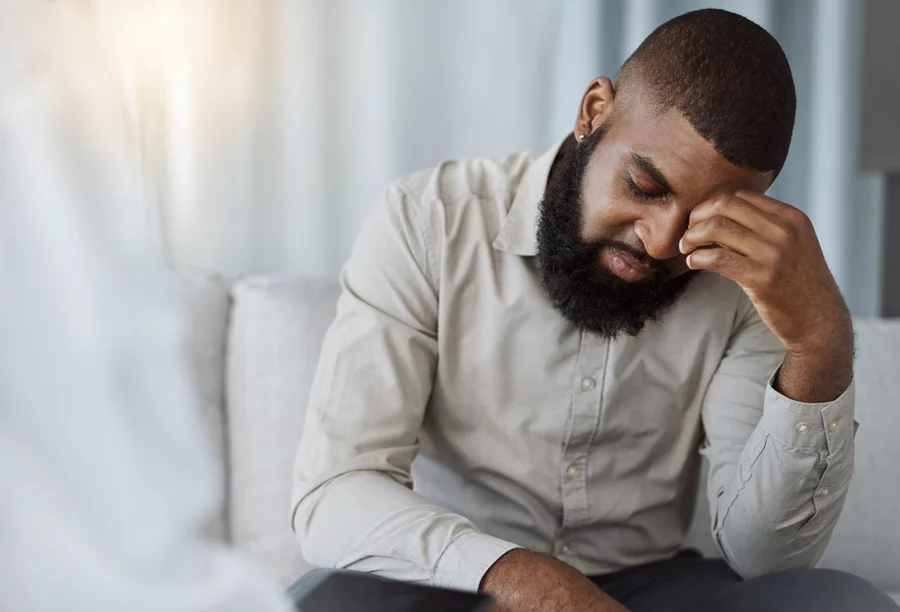
As therapy continues, many people say they become more aware of their thoughts. They begin noticing emotions and physical cues.
You may catch your racing heart sooner, see patterns in your relationships that you hadn’t before. Or you may begin to notice just how often you worry. With sharper awareness, anxiety can appear worse simply because you are finally seeing it with clarity.
That’s an uncomfortable awareness, and it’s also what allows change. When you can name what you are feeling, you can learn specific ways to respond differently. As time passes, this shift helps anxiety recovery move from, “this is controlling my life!” to, “I notice this anxiety, and have tools I can use.”
Being Patient with Your Timeline
After living for so long with anxiety and making the effort to seek treatment, the urgency for results when you have treatment available can make you question: how long does therapy take for anxiety, and can it PLEASE hurry up?!
The honest answer is, there is no set timeline. Factors that contribute include how long you’ve lived with your anxiety, what you’re working through, your support system, and how often you attend sessions. Progress rarely looks like a straight start-to-finish line.
Some weeks you may feel lighter and more hopeful. Other weeks you may leave therapy feeling more anxious, exhausted, or more unsettled. These ups and downs are normal and don’t indicate that therapy isn’t working. They’re a part of the process of learning to rewire your habits, heal wounds, and try new ways of coping.
If you ever notice that your anxiety is making it increasingly harder to get through basic daily tasks for several days in a row, bring that into therapy sessions so you and your therapist can look at it together.
When Anxiety Feels Worse: Is Therapy Helping or Harming?
As symptoms spike when you’re doing challenging emotional work, it’s completely understandable to keep asking yourself: Does anxiety get worse before it gets better, or is something wrong here?
A temporary increase during difficult conversations, exposure work, or big life changes can be expected. Therapy, however, should never feel like ongoing, unmanaged harm.
If you feel:
- Constantly wired or on edge during sessions, your mind races and is more spun-up than usual
- Notice that as sessions go on and time passes, you’re deteriorating with no tools or support being offered
When you notice these kinds of reactions piling up, name them in session, so your therapist can help you adjust the pace, focus, or tools you’re using.
Get the Extra Support You Deserve with Anxiety Therapy
Therapy for anxiety can make symptoms feel louder at first, which is why so many people ask, does anxiety get worse before it gets better in therapy. If you notice that worry getting stronger as you read this, this might be your sign that you’ve been trying to figure this out in your own head for a long time.
And you don’t have to anymore.
Relucent offers a free initial consultation where you can talk with a therapist about your anxiety and how the beginning of therapy tends to feel.
To take the next step, we invite you to reach out through our contact form, call, or text so our team can help you schedule a time that works for you.